

Error message title

Error message title
Searching great energy plans for you
How to charge your EV more efficiently at home
Electric vehicles are becoming a common sight on Australian roads as they are efficient and increasingly affordable to run.
But while EVs could help reduce overall fuel costs, they could also become one of the biggest energy users in your home if your charging set up and schedule aren’t managed carefully.
The good news is that with a few simple habits, you can stay in control of your energy use when it comes to charging your EV.

How EV charging at home can affect your energy bill
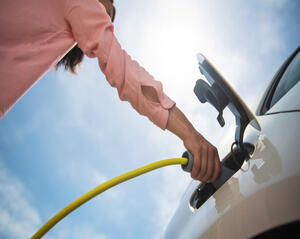
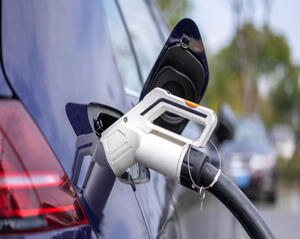
For most Australians, home is the main charging station. In fact, more than 80% of EV owners charge their vehicles at home when they have off-street parking available.
While that’s convenient, it also means your EV becomes part of your everyday electricity usage, similar to running a large appliance like an air conditioner.
Depending on your electricity plan and tariff type, when and how you charge your EV may affect the cost of charging. Understanding your charging habits can help you better understand how EV charging contributes to your overall household energy usage.
When is the best time to charge your EV at home?
Depending on your electricity plan and tariff type, electricity prices may vary throughout the day, and lower rates may be available during off-peak periods.
Off-peak times vary depending on your electricity plan and location. Check your plan details to understand when off-peak rates apply. However, they are typically:
- Late at night
- Early in the morning
- Anytime outside of peak evening hours (e.g., any time outside of 3pm – 9pm)
If your tariff includes different rates at different times of day, charging during off-peak periods may help reduce EV charging costs. According to research, some EV owners on time based tariffs could save around $200 per year.
If your electricity plans include off-peak rates, you may be able to schedule charging using your EV or charger settings to align with lower-rate periods
Consider how your EV fits into your whole home energy system
Your EV is just one part of your home energy system.
If you have solar, batteries or other high-energy appliances, considering how they work together can help you get more value from your household energy setup. For example, some households may choose to charge their EV during the day to make use of solar generation, while others may benefit from charging at times that align with their electricity plan.
Track your EV energy use to stay in control
One of the biggest challenges with EV charging at home is understanding how it impacts your household electricity use.
Without clear insights, it’s difficult to know:
- How much energy your EV is actually using
- When that energy is being used
- How it’s affecting your energy bill
Tools like ENGIE’s Energy Tracker help you monitor your electricity use in near real time, making it easier to adjust your charging habits and avoid bill surprises.
Explore energy solutions for your home
As your EV becomes part of your day-to-day energy use, having the right tools can make managing it simpler.
Connected solutions can help you better understand patterns in your usage and make small adjustments that improve efficiency over time.
Explore ENGIE’s Smart Energy Hub to learn more about energy solutions such as solar, batteries, EV chargers and virtual power plants.
Take control of your EV charging
As EV charging becomes part of your household electricity usage, understanding when and how you charge can help you better manage your overall energy consumption.
For customers on demand tariffs, charging your EV during off peak hours, may all make a difference to your electricity bills.
With the right visibility and a few small adjustments, you can keep your EV running efficiently without adding unnecessary pressure to your energy bill.