


Error message title

Error message title
Searching great energy plans for you
What appliances use the most electricity at home?
Find out which household appliances and systems use the most electricity in Australian homes, from heating and cooling to hot water, pool pumps and standby power.
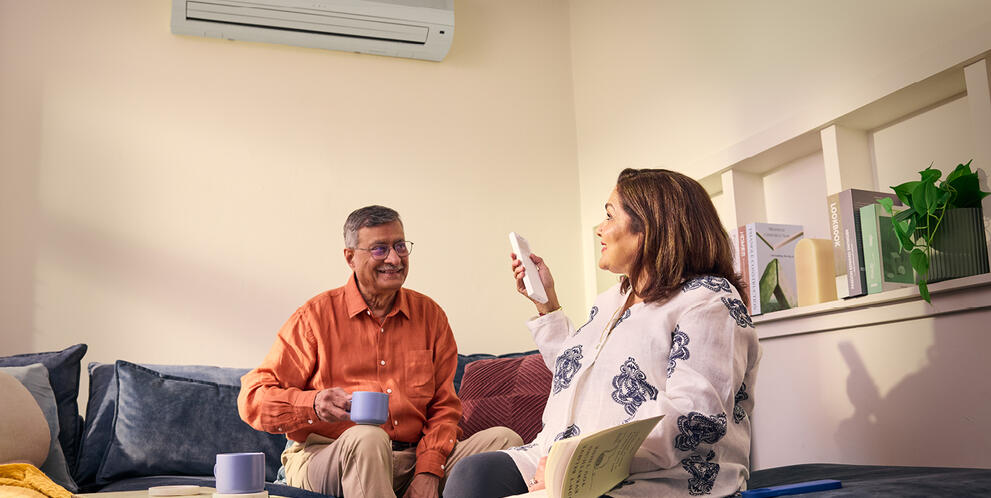
From the morning shower to heating or cooling your home, many of the appliances and systems we rely on every day use more energy than we might realise.
Some are obvious, like air conditioning during summer and heating in winter. Others quietly work away in the background, often without much thought. Understanding where electricity is being used throughout the home can help you make more informed choices about energy use and improve your home's energy efficiency.
For many Australian households, heating and cooling account for around 40% of household energy use, while water heating contributes around a quarter. Together, they can make up well over half of a home's overall energy consumption.
Heating and cooling: keeping your home comfortable
Whether you're escaping a summer heatwave or staying cosy on a cold winter evening, heating and cooling systems do a lot of heavy lifting throughout the year.
Many people assume appliances like ovens, televisions or kettles are the biggest contributors to household electricity use because they draw a lot of power when they're switched on. In reality, heating and cooling systems often consume more energy overall because they tend to run for much longer periods and are responsible for maintaining comfortable temperatures throughout the home.
How much energy they use can depend on a range of factors, including your home's insulation, local climate and how often the system is in use.
Drafts, poor insulation and ageing systems can all make heating and cooling work harder than necessary. Learn about the warning signs your home may not be as energy efficient as it could be.
Ways to improve energy efficiency
- Set cooling between 24°C and 26°C where comfortable.
- Set heating between 18°C and 20°C where comfortable.
- Close curtains and blinds to help keep indoor temperatures stable.
- Clean filters regularly.
- Consider energy-efficient models when replacing older systems.
Hot water: the everyday workhorse
Hot water is one of those things most of us don't think about until it's suddenly unavailable.
From showers and baths to dishwashing and laundry, hot water plays a role in everyday life. Heating that water can require a significant amount of energy, especially in larger households or where hot water is used frequently.
What many people don't realise is that your hot water system is often working even when you're not actively using hot water. Traditional electric storage systems keep water heated and ready throughout the day, which is one reason they can be among the larger energy users in a typical household.
Ways to improve energy efficiency
- Keep showers shorter where practical.
- Install water-efficient showerheads with a strong WELS rating.
- Wash clothes in cold water when suitable.
- Fix leaking hot water taps promptly.
- If it suits your property and circumstances, consider more energy-efficient hot water technologies such as heat pumps or solar hot water systems.
The surprising energy users
When people think about electricity use at home, air conditioners, heaters and major kitchen appliances usually come to mind first.
But there are a few household items that can quietly contribute more to overall energy consumption than many people realise, particularly when they're running for long periods or used frequently:
- Pool pumps that run for several hours each day
- Heated towel rails left on for extended periods
- A second refrigerator in the garage
- Older portable electric heaters
They're not always front of mind, but depending on how often they're used, these appliances can make a noticeable contribution to your household's overall energy use.
Tip: If you’re thinking about upgrading an appliance, the Australian Government’s Energy Rating Calculator can help you compare running costs and energy efficiency across eligible products.
Another easy-to-miss energy user is standby power. It can contribute to household energy use over time, particularly when multiple devices are left plugged in. Learn more about how standby power can affect household energy use.
Understanding where your energy goes
Most household electricity use comes from a few key areas, including heating and cooling, hot water and appliances that run for long periods. Once you understand where energy is being used, it can be easier to focus on small, practical changes that support a more efficient home. ENGIE Tracker can also help you view usage insights and see how your energy use changes over time.