


Error message title

Error message title
Searching great energy plans for you
Bright ideas: all you need to know about energy-saving lightbulbs
Lighting makes up around 10% of a typical household’s electricity use - which adds up over the year. As Australia phases out inefficient incandescent bulbs, there’s never been a better time to upgrade to energy-efficient lighting like LEDs or CFLs. Here’s what you need to know about switching – and cutting your lighting costs.
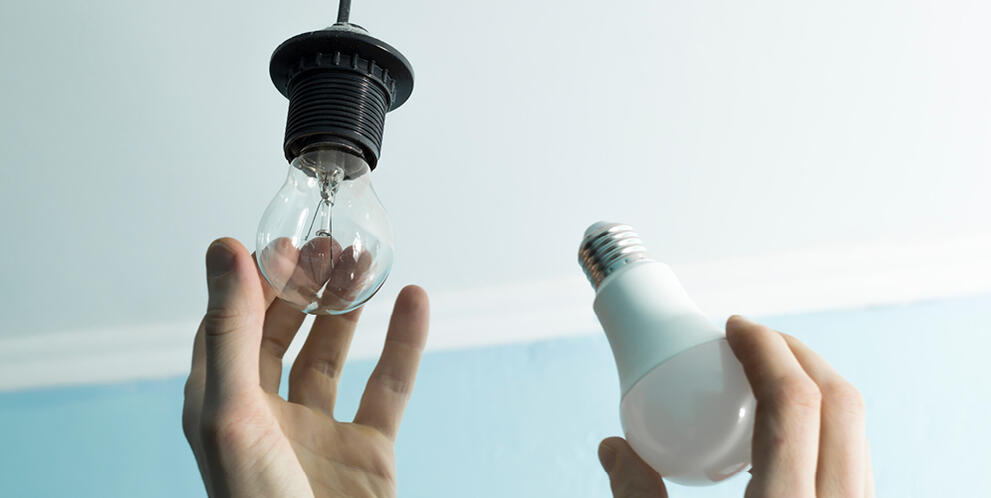
What are energy saving light bulbs?
Energy-efficient light bulbs are designed to use significantly less electricity than traditional incandescent or halogen bulbs. Their efficiency is measured in lumens per watt, which tells you how much light a bulb produces for each unit of energy it uses. By using less electricity to produce the same brightness, these bulbs could help lower your energy bills There are two types available:
Compact Fluorescent Lamps (CFLs):
- Use less energy than halogens or incandescents
- Longer lifespan
- Contain small amounts of mercury, so recycling is important
LEDs (Light Emitting Diodes):
- Most energy-efficient option available
- Extremely long lifespan, often 15–25 times longer than incandescents
- No hazardous materials
- Available in a range of colours and fittings to suit most spaces
Upfront and running costs
When it comes to upfront costs, they vary depending on the type:
- Halogen bulbs: lowest cost but highest running costs
- CFLs: moderate cost, good energy savings
- LEDs: higher initial cost, but cheapest to run over time
LEDs use 75 - 85% less energy than halogen bulbs, which means you’ll see savings on your electricity bill for lighting year after year.
How much energy can you save?
Traditional incandescent and halogen bulbs waste most of their energy as heat, not light. LEDs, by contrast, convert most of their energy into usable light, dramatically reducing energy waste and keeping your home cooler in summer.
Switching to LED lighting can cut household lighting energy use by up to 80%. Their long lifespan also reduces replacement costs, so over time, LEDs could save you money both on electricity and new bulbs.
Are LEDs the best choice?
LEDs are suitable for most fittings, and understanding lumen ratings helps you select the right brightness for each room. Unlike CFLs, they contain no mercury and are safer to handle.
How to dispose of bulbs
Once you start using energy-saving bulbs at home, it’s important to dispose of them correctly:
- CFLs: can be recycled due to mercury content
- LEDs: treat as e-waste
- Halogen/incandescent: can go to landfill if they are securely wrapped
Other ways to reduce lighting energy use
You can also save energy simply by being mindful of how you use lighting around your home. Maximise natural light wherever possible, rely on task lighting instead of overhead lights, and remember to switch off lights when you’re not using them.
A brighter way forward
Switching to LED lighting is a great way to help cut energy bills . Take a look around your home, review your lighting setup, and start upgrading gradually - every bulb counts.