

Error message title

Error message title
Searching great energy plans for you
Energy MythBusters Pt. 3 – “The Grid can’t handle more renewables”
One of the more persistent myths we hear is that the grid can’t handle renewables as they are too unreliable.
When we consult with communities, we often hear concerns and misconceptions about renewable energy.
One of the more persistent myths we hear is that the grid can’t handle renewables as they are too unreliable.
In this article, we’ll unpack this to separate fact from fiction. In reality, flexibility and smart technology solutions are already being used to effectively manage the intermittency of renewable energy sources.
Background on this Myth
The energy grid in Australia has typically been reliant on ‘baseload’ fossil fuels.
Fossil fuels have traditionally run almost 24-7 to meet electricity demand. For example, coal-fired generation can be dialled up or down, but is quite rigid and can’t be turned off easily. For these traditional power plants to operate reliably, they prefer to be run as steadily as possible, to minimise the stress on their components such as boilers and pipes.
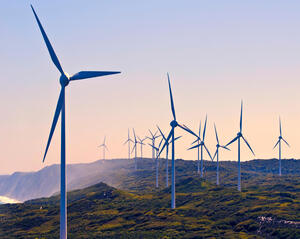
On the other hand, renewable sources such as a solar and wind are variable generators – meaning their generation depends on how much the sun is shining and the wind is blowing.
The key difference: variable does not mean unreliable.
How the grid is managing renewable energy
Managing variability
Battery Energy Storage Systems (BESS) are already playing a key role in managing fluctuations from renewable sources such as wind and solar, storing excess energy and releasing it back into the grid in times of high demand.
In this way, more renewable energy can be integrated into the electricity system without jeopardising the delicate balance between electricity supply and demand.
Although not renewable energy, we view natural gas as an important component of the energy mix for our energy transition, supporting the grid in times of high demand to prevent any shortfalls (blackouts). ENGIE operates flexible gas-fired peaking plants such as Pelican Point, Dry Creek, and Mintaro in South Australia, which are designed to ramp up and down to fill in the gap in supply and demand when the variable energy sources such as wind and solar energy are not providing sufficient to cover electricity demand.
With an optimised combination of BESS and different types of flexible natural gas power plants, variability of renewable energy sources can be managed effectively. South Australia is a textbook example of this, producing more than 70% of its annual electricity from variable renewable energy sources, made possible by the presence of flexible power plants and an increasing number of BESS.
Smart Grid technology
Advanced tools are being used (such as machine learning and automation) to manage any fluctuations and proactively forecasting and optimising the flows of energy throughout the electricity grid.
AI and availability of real-time data help balance supply and demand with increasingly precision, by recognising behaviours and patterns proactively and dispatching energy generation accordingly.
Flexibility from residential usage
Neighbourhood VPPs, home batteries, and flexible EV charging are all ways to help manage energy demand by offering flexible solutions. They help to control the demand of electricity, as to better align with the energy produced by variable energy sources such as solar PV and wind energy.
Demand response programs have already been trialled, such as our Reduce and Reward program, to help manage overwhelming demand which can lead to network reliability issues and energy supply constraints. To avoid these issues and constraints, the Reduce & Reward program rewards customers that meet reduction targets during peak demand events, this is when the demand is getting close to the limit of what the electricity grid can handle.
South Australia – the real-world benchmark
South Australia is the among the world leaders in renewable integration, producing more than 70% of the state’s annual electricity from variable renewable energy sources. [Source] During periods with high renewable energy generation, for example during sunny and windy days, it is not uncommon for the renewable energy produced to exceed the state’s energy demand, the surplus being exported through the interstate interconnectors to Victoria and New South Wales.
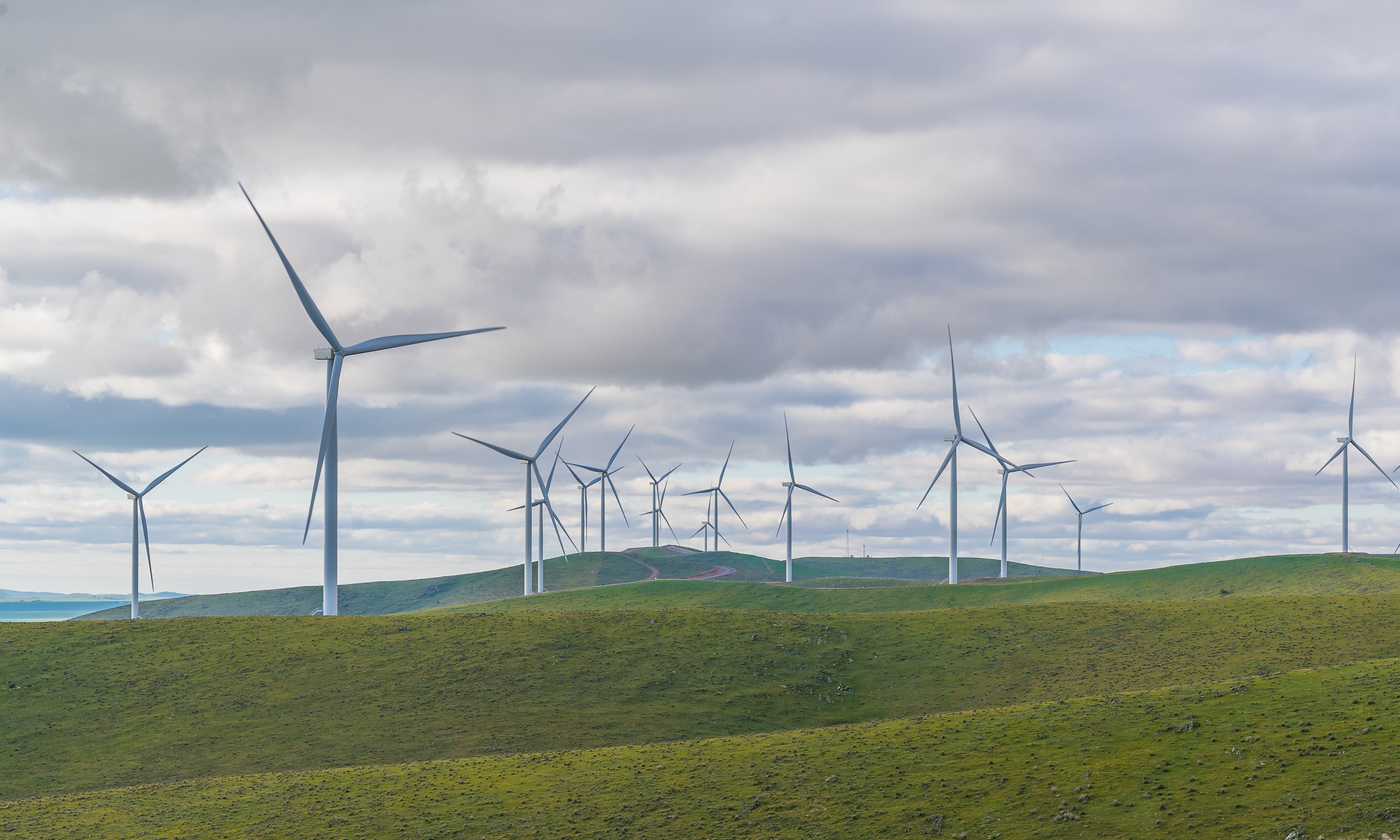
ENGIE has proudly contributed to the prominence of renewable energy in the region, via the Willogoleche Wind Farm (commissioned in 2018) and Canunda Wind Farm (commissioned in 2005).
Furthermore, our flexible gas-fired assets in South Australia are supporting the further rollout of renewable energy in the state, as they offer a safe and reliable backup for periods when renewable energy sources are not producing sufficient energy. They are especially critical for extended periods of low variable energy production, as BESS is only able to supply energy for a few hours.
This year (2025), ENGIE is upgrading its Pelican Point Power Plant in Adelaide to be able to be even more flexible, allowing it to run at much lower operating points safely and efficiently, as well as being able to ramp up and down even faster. In this way, it is able to better track and compensate the variable renewable energy production in the state.
The bottom line
The renewable energy transition isn’t just a vision, it’s already underway and the grid is evolving with it.
With the right technology, policies, and planning - a renewable-powered grid could be Australia’s future.